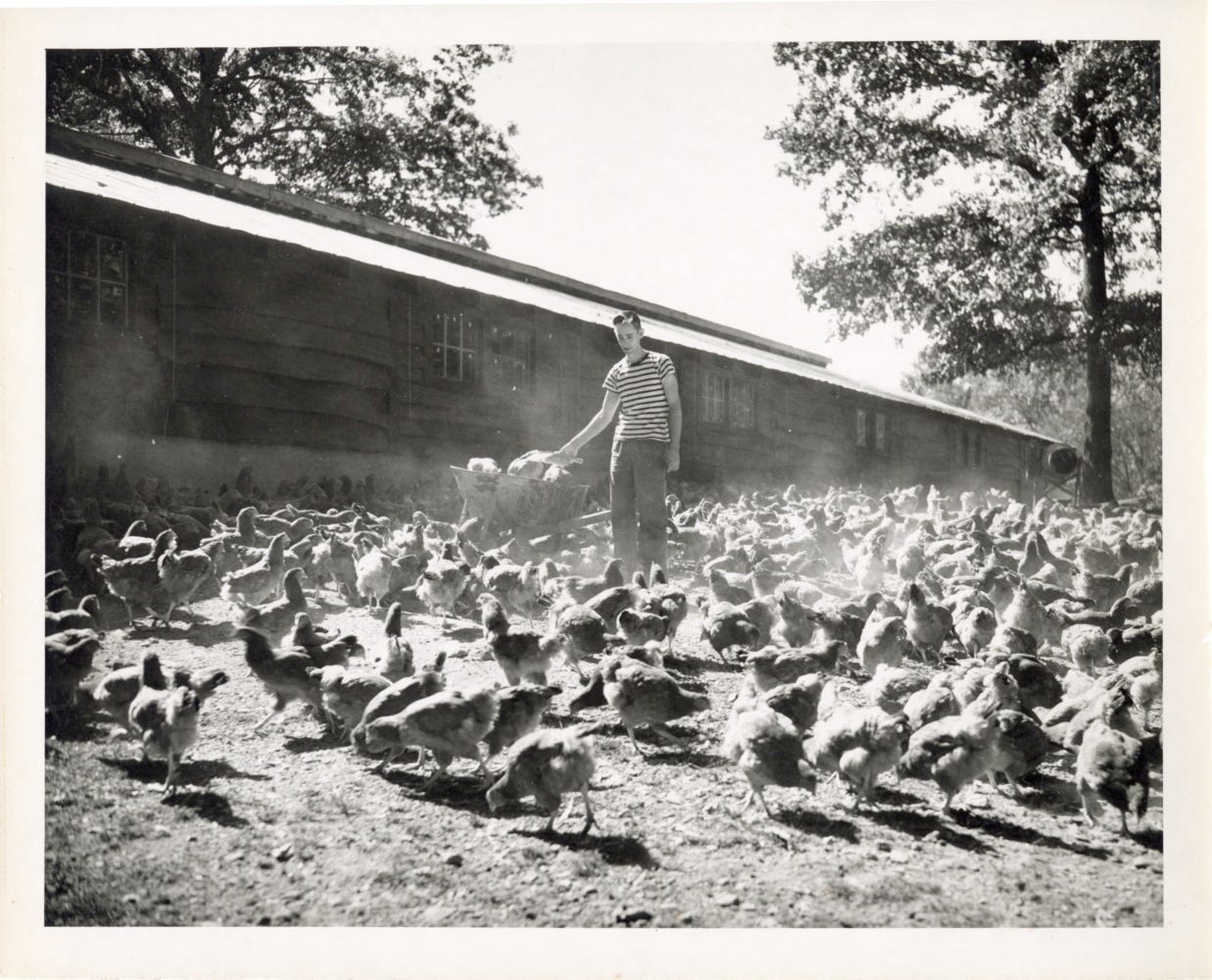
What Is a Folk School?
"It would be for democracy what the church is for Christianity." –Sofus Högsbro, 1860.

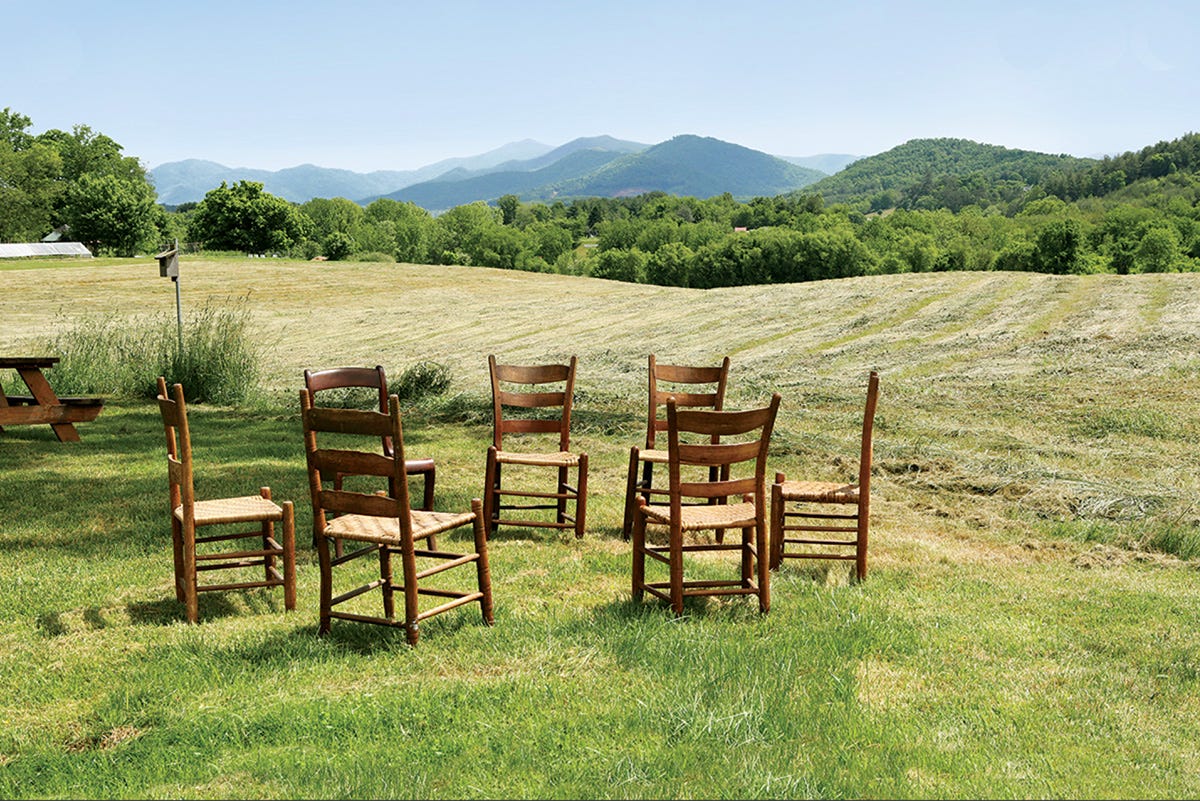
“One has to face the fact that there is something a little elusive about the Folkehøjskole,” Olive Dame Campbell wrote in the introduction to her 1927 book on the topic—still the most definitive volume of its kind. Almost a century later, not much has changed.
For Burnaway’s 2026 feature themes, tied to our annual print reader, I wrote about the early intentions and the enduring appeal of American folk schools, examining foundational ideas from Denmark, two almost-opposing early models adopted in Appalachia, and how this progressive model could serve communities today.
It feels so high school to spell it out so directly, but really, I hope to encourage thinking of folk schools as a tool for activism and civic engagement, with art and craft classes presented alongside coalition-building work that can foster conversation and a real, dependable sense of community (in a proximity-and-mutual-aid way, not a self-selective, “we paid to come here, so we are a community” way).
I see today’s “adult summer camp” model of a craft-centric folk school acting as a Trojan horse, encouraging us to log off, truly engage with one another, heal schisms brought on by bad-faith political actors, and start something new with people who think, live, and vote very differently from ourselves.
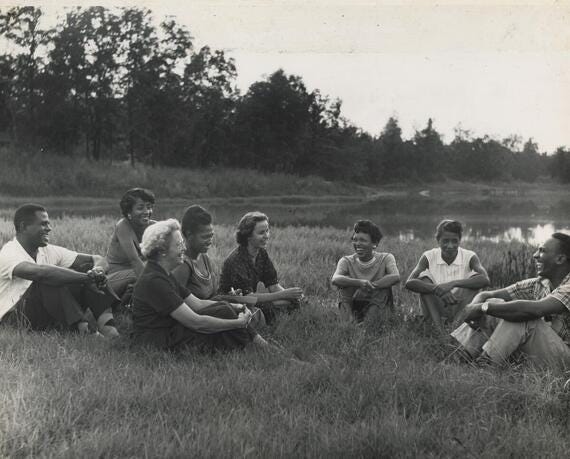
This is, of course, very easy for me to say as a white man who finds a campy pleasure living in the rural American South. Many subscribers are likely familiar with the fact that I worked at the John C. Campbell Folk School for a few years post-pandemic, after spending summer 2019 as a work-study there, an experience I wove into a larger piece for The Bitter Southerner.
I clearly have a deep love for Campbell and tons of fond and formative memories from my time in Brasstown, and yet it was easy to see how isolating it could be for many friends and loved ones, and how the institution was often caught in a Catch-22 in trying to address the challenges of appealing to a diverse group of young, progressive creatives while also trying to stay non-partisan and avoid rocking any boats with a devoted audience.
“Politics really has supplanted pop culture as the national obsession, to a depressing degree,” Spencer Kornhaber wrote recently in The Atlantic, and I’ve been thinking a lot about how, in earlier decades, it was easier to vaguely gesture at a non-political, peace-keeping, “Switzerland-like,” mindset, but even then, that approach communicated a lot by what it omitted.
All said, Campbell and other rural folk schools have done a lot in recent years to spark much-needed change, and it’s been inspiring to witness. My essay is not meant to say that long-running folk schools should change their approach to fit my thesis, but rather to capture how a new generation, looking to these institutions as models, could start a new and exciting movement.
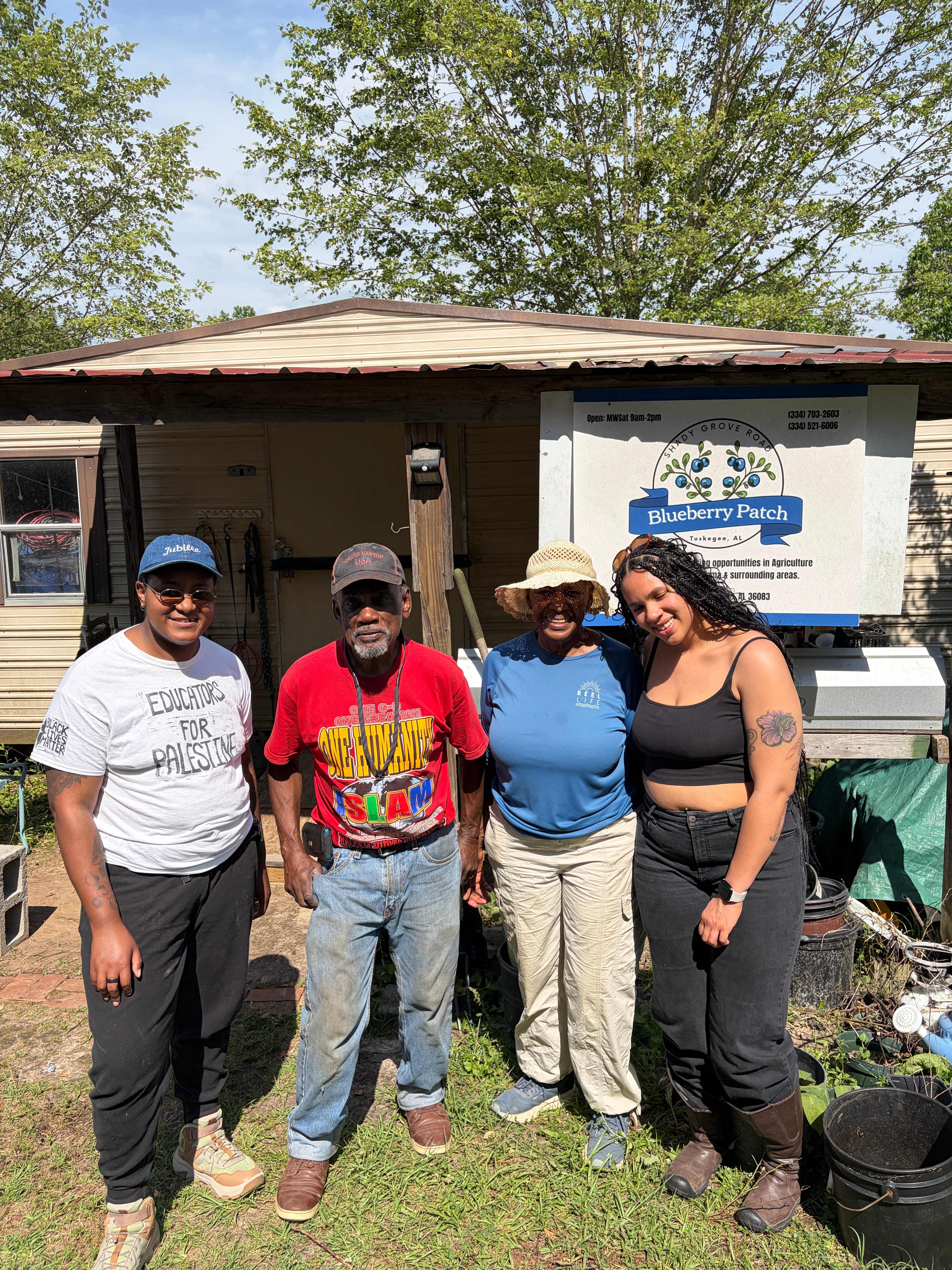
Feels like kismet, then, that while I was researching this essay, Ashby Combahee and Jada G. Patterson announced plans to start a new folk school for the global majority. I profiled Olamina Folk School for the American Craft Council, speaking briefly to Combahee and Patterson about how this all came together and what they envision in both the short and long term.
The two co-founders are currently in the initial stages of fundraising, working to accrue $100,000 towards start-up costs. But, as Patterson says, “just because we don’t have a school yet, doesn’t mean we can’t start holding workshops and other programming.”
The article has more information about how to get involved, but please, please, consider donating and supporting their endeavor! There’s a lot of momentum, excitement, and work happening behind the scenes.
Olamina is one effort to counter the pervasive whiteness in stateside folk and craft schools. Crafting the Future is working to change the narrative by offering a number of encouraging, intentional programs in partnership with these schools. Journalist Nylah Iqbal Muhammad, who named this problem so directly in her Eater article about North House exploring the rise and appeal of tradition-rich environments (thank you for being a source!), has since started her own folk school in Chicago. There are many others out there, and I hope to shine a brighter light on them, too!
There’s plenty more to say, and maybe a Substack with bonus content in the drafts, but, primarily, I’m very proud of how this Burnaway piece turned out (especially after sooo many rounds of edits…all worthwhile!)
And yet, I recognize that it’s the tip of the iceberg.
I’m grateful to the many people who, through numerous conversations over several years, helped shape this piece into what it is now, and I am looking forward to exploring this topic in hopefully many more writings down the line.
Read “What Is a Folk School?” on Burnaway here.